

The Confident Patient: A Doctor Discussion Guide About Polymyalgia Rheumatica Treatment
The ConfidentPatient:A Doctor Discussion GuideAbout PMR Treatment
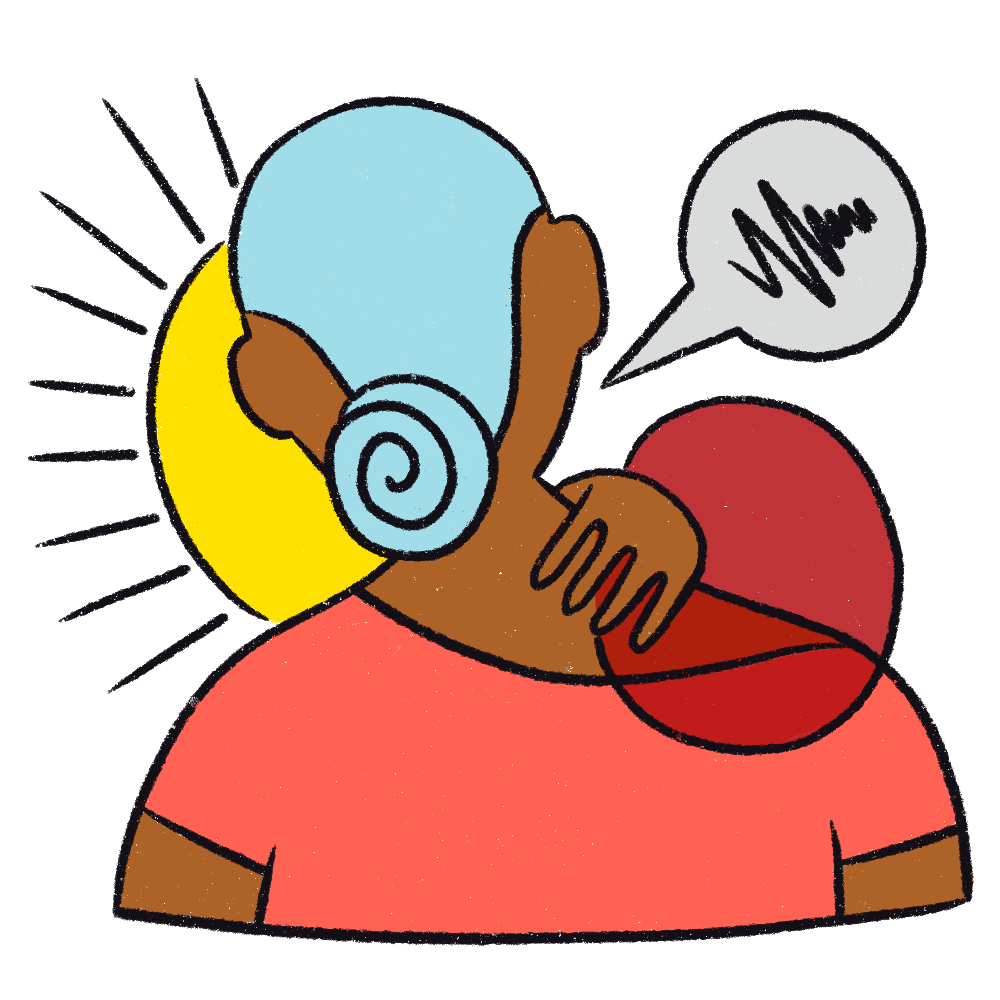
Mornings harder than ever?
Living with polymyalgia rheumatica (PMR) often means dealing with intense pain and stiffness that can appear without warning and impact nearly every part of the body, including the head, neck, shoulders, and hip and elbow joints. While PMR symptom flares can happen at any time of day, they’re most common in the morning, making a simple wakeup routine suddenly feel like a colossal effort.
If your PMR symptoms have you struggling to get through the day, even from the moment you get out of bed, it may be time to talk to a doctor about your options.
New day, new treatment
While standard treatment for PMR often involves medications like steroids and methotrexate, these treatments will not be the right fit for everyone. Some people with PMR cannot tolerate steroids, and some will find that other commonly prescribed medications don’t work for them.
If your PMR symptoms feel out of control even with standard treatments, sharing your experience and partnering with your healthcare team is critical in developing a treatment plan that meets your unique needs.
How are you feeling lately?
PMR symptoms can come and go, but if they’ve recently worsened or become more frequent, it may be time to address them. Let’s check in about how you’ve been feeling lately.
In the last month, have you experienced any of the following?
☐ Pain in the shoulders, hips, buttocks, or thighs
☐ Headaches or pain in the jaw or neck
☐ Stiffness in affected areas, especially in the morning
☐ Less range of motion in affected areas
☐ Mild fever
☐ Tiredness, malaise, or feeling unwell
☐ Loss of appetite
☐ Unintentional weight loss
☐ Feeling depressed

What to say at your next appointment
Describing the impacts of PMR can be hard. Here are some ways to share them with your doctor:
- “I’m noticing that it’s more difficult to even get out of bed on most of my mornings. Is there a way to get relief that isn’t just temporary?”
- “I haven’t yet decided on a treatment for my PMR, but I don’t want to take a steroid. Can we talk about what else we can do to help manage my symptoms?”
- “I’ve tried other treatment options, but my symptoms are still impacting my day-to-day and feel like they’re getting worse. Is it time to find a new option?”